
Sleep Architecture Disruption after Sobriety
Key Takeaways
- Sleep architecture is the pattern your brain follows as you move through light sleep, deep sleep, and REM sleep each night.
- After quitting alcohol or drugs, sleep can feel worse at first. This is common and usually temporary.
- You may notice insomnia, frequent waking, vivid dreams, and daytime fatigue in early recovery.
- Sleep problems can increase stress and cravings, which may raise relapse risk.
- A medically supported detox program can help you rest more safely and recover with more comfort.
Introduction
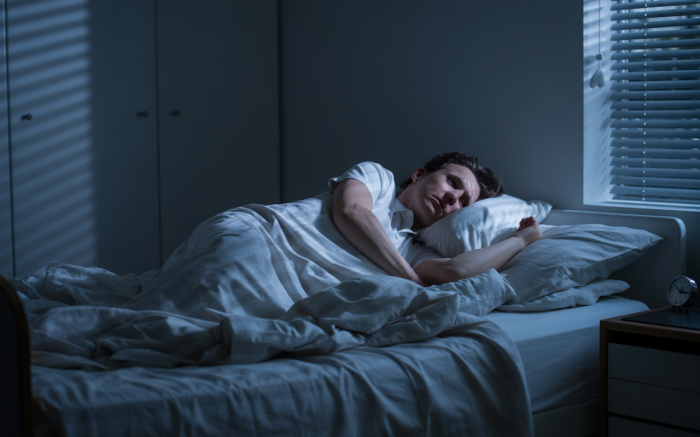
Getting sober is a huge step. But many people feel confused when sleep gets worse after they stop using alcohol or drugs. You may lie awake for hours. You might wake up all night. Or you may sleep, but still feel exhausted the next day. This can be scary. It can also make you wonder if something is wrong.
The truth is, sleep changes after sobriety are very common. Your brain and body are adjusting, and that process takes time. In this guide, you’ll learn what sleep architecture disruption is, why it happens after sobriety, and what you can do to support better rest during early recovery.
What Is Sleep Architecture (And Why It Matters in Recovery)?
Sleep architecture is the way your sleep is built, like a nightly “schedule” your brain follows. It includes different stages of sleep that repeat in cycles.
Most nights, your body moves through:
- Light sleep
- Deep sleep (also called slow-wave sleep)
- REM sleep (the stage where many dreams happen)
Each stage has a job. Some stages help your body recover. Other stages help your brain process memories and emotions.
When sleep architecture is healthy, you may:
- Fall asleep in a reasonable time
- Stay asleep for longer stretches
- Wake up feeling more rested
- Feel calmer and more focused during the day
In recovery, this matters a lot. Sleep supports your mood, energy, and decision-making. It also helps you handle cravings and stress without turning back to substances.
Why Sleep Often Feels Worse After You Stop Using Substances
Many substances change the way your brain controls sleep. Some “knock you out,” but that is not the same as real sleep. Others keep you awake and wired for hours. When you stop using, your body has to learn how to sleep naturally again. That can take time. Here are some common reasons sleep feels harder after sobriety:
Your brain is recalibrating
Substances can affect brain chemicals like dopamine, GABA, and serotonin. These chemicals play a role in calmness, anxiety, and sleep. When you quit, the brain needs time to rebalance.
Withdrawal can disturb sleep
Withdrawal symptoms can include shaking, sweating, nausea, restlessness, and anxiety. These symptoms often get worse at night, which makes sleep harder.
Stress and anxiety are louder in quiet moments
During active addiction, many people used substances to escape stress or emotional pain. When you get sober, your thoughts may hit harder at bedtime. You may replay memories, worry about the future, or feel guilt and fear. That mental stress can lead to hyperarousal, which means your body feels on high alert even when you want to rest.
Common Sleep Changes After Sobriety (What You May Notice)
Sleep changes can look different for each person. But many people in early recovery report the same patterns.
Trouble falling asleep
This is often called sleep onset insomnia. You feel tired, but your mind won’t settle down.
Waking up often
This is called sleep maintenance insomnia. You may wake up many times, then struggle to fall back asleep.
Lighter sleep
Even if you sleep for hours, you may feel like the sleep was shallow or weak.
Vivid dreams or nightmares
After quitting, many people experience REM rebound. That means REM sleep increases as the brain tries to “catch up.” This can lead to intense dreams that feel very real.
Body discomfort at night
Some people notice:
- Night sweats
- Muscle aches
- Restless legs
- Stomach discomfort
These symptoms may be part of withdrawal or the body adjusting to sobriety.
Timeline: What to Expect Week-by-Week After Quitting
Sleep recovery is not always a straight line. You may have good nights, then bad nights again. That does not mean you are failing.
Here is a simple timeline of what many people experience.
Week 1 (Detox Phase)
This is often the hardest time for sleep.
Your body may feel on edge. You may have withdrawal symptoms that interrupt rest. Some people barely sleep at all for a few nights.
This is also the time when withdrawal can become dangerous for certain substances, especially alcohol and some sedatives.
In a professional medical detox, your care team can monitor symptoms and help you stay safe and more comfortable during this stage.
Weeks 2–4 (Early Recovery)
Sleep may start to improve a little, but it can still feel strange.
You might:
- Fall asleep faster on some nights
- Still wake up early or often
- Have strong dreams
- Feel tired during the day
This can be frustrating. It helps to remember: your brain is repairing its natural rhythm.
1–3 Months (Rebuilding Stage)
Many people notice bigger changes during this time.
Sleep often becomes:
- More steady
- Less broken
- More refreshing
You may still have stress-related insomnia, but recovery trends in the right direction for many people.
3+ Months (Longer Recovery)
For many, sleep continues to improve.
However, some people still struggle with sleep due to:
- Anxiety or depression
- Trauma
- Work stress
- Poor sleep habits
- Ongoing cravings
If sleep is not improving, it may be time for professional support.
Sleep Disruption by Substance Type (Simple Breakdown)
Different substances affect sleep in different ways. Here is a general overview.
Alcohol
Alcohol can make you sleepy at first. But it often disrupts sleep quality later in the night.
After quitting alcohol, you may experience:
- More night waking
- Lighter sleep
- REM rebound and vivid dreams
- Early morning waking
Stimulants (like cocaine or meth)
Stimulants keep the nervous system active.
After quitting stimulants, you may go through:
- “Crash” sleep at first
- Then insomnia and agitation
- Mood swings and fatigue
Opioids
Opioids can dull pain and emotions, but they can also reduce deep sleep.
After quitting opioids, you may experience:
- Trouble staying asleep
- Restlessness
- Body aches
- Strong anxiety at night
Cannabis
Some people use cannabis for sleep. But long-term use can change sleep patterns.
After quitting, you may notice:
- Difficulty falling asleep
- Strong dreams
- Mood changes that affect rest
When Sleep Problems Become a Relapse Risk
Sleep problems can feel like torture in early recovery.
After a few bad nights, you may start thinking:
“I just need one drink to sleep.”
“I can’t handle this.”
“I’ll relapse anyway.”
This is exactly why sleep matters. Poor sleep can raise relapse risk in real ways.
Lack of sleep can lead to:
- Increased anxiety
- Low patience and irritability
- Stronger cravings
- Poor focus and judgment
- Higher risk of depression
When the brain is tired, it wants fast relief. And addiction has trained the brain to seek relief through substances.
That’s why treating sleep is not just about comfort. It is part of protecting your recovery.
Safe Ways to Improve Sleep During Detox and Recovery
Sleep will likely improve over time. But you can support your body as it heals.
Build a simple sleep routine
Your brain loves patterns. Try to:
- Wake up at the same time every day
- Get sunlight in the morning
- Keep naps short (or skip naps if they ruin nighttime sleep)
Even if your sleep is messy at first, the routine helps reset your internal clock.
Create a calm wind-down routine
A good wind-down routine tells your nervous system, “It’s safe to rest now.”
Try:
- A warm shower
- Light stretching
- Reading a simple book
- Slow breathing exercises
- Quiet music
Keep it easy. Keep it consistent.
Improve your sleep environment
Small changes can make a big difference.
Aim for:
- A cool room
- A dark room
- A quiet space
- A comfortable pillow and blanket
If needed, use a fan or white noise.
Watch caffeine and sugar
Caffeine can stay in your body for hours. Try cutting it off earlier in the day. Also, large amounts of sugar late at night can cause energy spikes and crashes.
What NOT to do
Some choices can make recovery sleep worse.
Avoid:
- Using alcohol to sleep
- Taking random sleep pills without medical advice
- Scrolling on your phone in bed for long periods
- Lying in bed awake for hours every night
If you can’t sleep, it’s okay to get up, sit somewhere calm, and try again later.
When to Get Professional Help for Sleep in Early Sobriety
Some sleep issues are uncomfortable but normal. Others can be risky.
You should get professional help if you notice:
- You cannot sleep at all for multiple nights
- You feel panicky or out of control at night
- You have severe nightmares that don’t stop
- You feel hopeless or unsafe
- You have signs of serious withdrawal
You should also ask for help if you may have a sleep disorder, such as:
- Loud snoring
- Choking or gasping during sleep
- Extreme daytime sleepiness
A professional detox center can help you manage early withdrawal and sleep disruption in a safe setting. You don’t have to battle it alone.
Conclusion
Sleep architecture disruption after sobriety can feel confusing and overwhelming. But it is often part of the healing process. Your brain is learning how to rest without chemicals. That takes time. Some nights will feel rough. Others will feel better. Slowly, your sleep can become deeper, calmer, and more normal again.
If sleep problems are pushing you toward relapse, or if withdrawal feels unsafe, it may be time to get professional support. Call 623-777-2400 to speak with Virtue Sun City West Detox Center about safe detox care and help with early recovery symptoms, including sleep disruption.
FAQs
How long does sleep disruption last after getting sober?
It depends on the person and the substance used. Many people see improvement within a few weeks, but full sleep recovery can take a few months.
Why are my dreams so vivid after quitting alcohol or drugs?
This may be REM rebound, which happens when REM sleep increases after being suppressed by substances. It can cause intense dreams or nightmares.
Is insomnia normal during detox?
Yes, insomnia is common during detox and early recovery. Withdrawal symptoms, stress, and changes in brain chemistry can all disrupt sleep.
Can sleep problems trigger relapse cravings?
Yes. Poor sleep can increase stress, irritability, and cravings, which may raise relapse risk. Treating sleep is part of protecting recovery.
What helps sleep the most in early recovery?
A consistent schedule, morning sunlight, calming bedtime habits, and avoiding caffeine late in the day can help. Professional support may also be needed.
When should I go to a detox center for sleep problems and withdrawal?
If you have severe withdrawal symptoms, cannot sleep for days, feel unsafe, or worry you might relapse, a medically supported detox program may be the safest next step.
Resources
- SAMHSA (Publication page) – Treating Sleep Problems of People in Recovery From Substance Use Disorders
https://library.samhsa.gov/product/treating-sleep-problems-people-recovery-substance-use-disorders/sma14-4859 (library.samhsa.gov) - CDC – About Sleep (sleep tips + basics)
https://www.cdc.gov/sleep/about/index.html (CDC) - CDC – Sleep Resources
https://www.cdc.gov/sleep/resources/index.html (CDC) - NCBI / PubMed Central – Sleep Disturbance in Substance Use Disorders (Review)
https://pmc.ncbi.nlm.nih.gov/articles/PMC4660250/ (PMC)